Exploring Surface Patterns and Finishes for Your Walls
Drywall is a common material used in homes and commercial spaces. Its surface can be modified to achieve a variety of textures, enhancing both aesthetic appeal and function. These textures not only add visual interest but also help conceal imperfections on walls and ceilings. As you explore different types of drywall finishes, understanding their characteristics and applications will allow you to choose the best option for your space.
The Appeal of Textured Surfaces
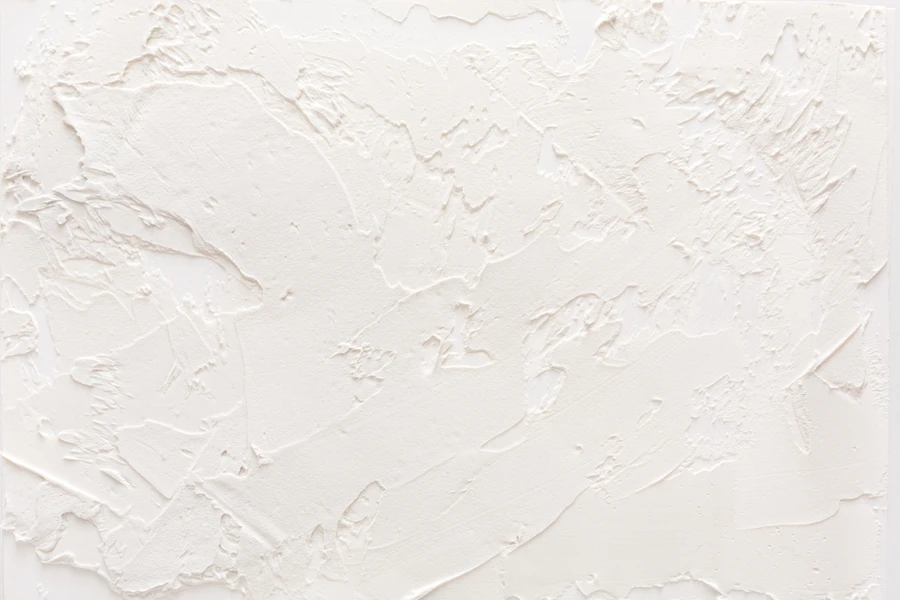
Textured surfaces provide several benefits over flat ones. They offer increased depth and dimension to walls, transforming a simple room into an engaging space. With a textured finish, minor imperfections are less noticeable, making it ideal for older properties or areas with frequent use. Additionally, some textures can enhance sound absorption, contributing to a quieter environment.
Simplifying the World of Drywall Texture
drywall texture comes in various forms, each offering distinct aesthetic and functional qualities. By choosing the right texture, homeowners can match their design preferences while addressing practical needs like durability and maintenance. Understanding these options enables better decision-making when planning renovations or new builds.
Popular Drywall Texture Options
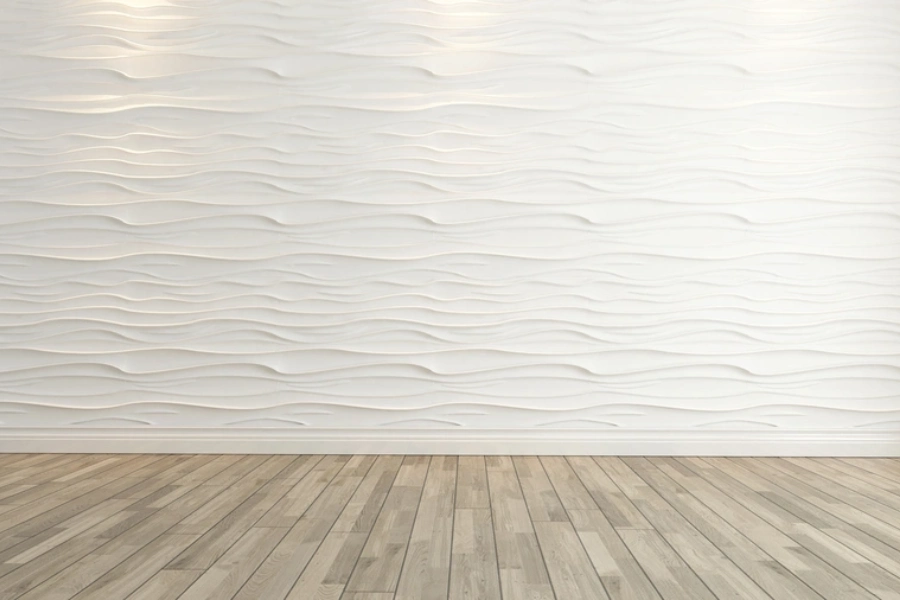
The choice of drywall texture greatly influences the look and feel of a room. Common options include:
- Orange Peel: Named for its resemblance to the skin of an orange, this texture is subtle yet effective at hiding flaws. It’s versatile and easy to apply.
- Knockdown: This technique involves knocking down peaks of sprayed drywall mud to create a more flattened look. It adds character without being too bold.
- Sand Swirl: Created by swirling a brush through a layer of drywall mud mixed with sand, resulting in a unique pattern that diffuses light beautifully.
Challenges in Achieving Perfect Texture
Applying drywall texture requires skill and precision. Inconsistent application can lead to uneven results, which may need correction or reapplication. The process can be time-consuming, especially for intricate patterns like Venetian plaster or Santa Fe style. Additionally, matching existing textures during repairs poses a challenge as even slight variations can stand out.
Steps for Applying Drywall Textures
- Prepare the surface by cleaning thoroughly and covering any holes or defects.
- Select the appropriate tools based on the desired texture (e.g., roller, sprayer, brush).
- Apply a primer coat if necessary to ensure even adhesion.
- Create the texture using your chosen method, starting from the top corner of the wall.
- Allow adequate drying time before painting or finishing.
Professional Tips for Quality Results
For high-quality results, consider hiring professionals who specialize in drywall finishes. They bring experience and expertise that ensure consistency and elegance. If you prefer DIY, practice on smaller areas before tackling larger spaces. Make sure to invest in good quality materials to avoid unnecessary headaches down the line.
Cost Implications of Different Textures
The cost of applying drywall textures varies depending on complexity and labor involved. Simple techniques like orange peel are generally less expensive due to quicker application times. Conversely, more detailed methods like Venetian plaster require skilled artisans and increase costs significantly. Evaluate your budget alongside your aesthetic goals to find an option that balances both effectively.
Your Partner in Wall Transformation
Xavier Drywall Service Inc. offers unparalleled expertise in creating beautiful wall finishes tailored to meet your design aspirations. Our team serves clients throughout Bradenton, FL, ensuring each project aligns with individual preferences and requirements. Contact us at (941) 324-3630 for guidance on selecting and applying stunning drywall textures that elevate your home or business environment.